Sitting Between Worlds: What Mollie Moon Taught Me About Philanthropy
Our team recently finished reading Our Secret Society: Mollie Moon and the Glamour, Money, and Power Behind the Civil Rights Movement by Tanisha C. Ford, in honor of Black Philanthropy Month.
Black Philanthropy Month was founded in 2011 by Dr. Jacqueline Bouvier Copeland, with roots tracing back to 2001 through the Pan-African Women's Philanthropy Network, now known as Reunity. It was incubated by the Women Invested to Save Earth Fund and has grown into the world's only global coalition dedicated to celebrating Black giving in all its forms. Today it's managed by BackBlack, under founder Floyd Jones. At its core, though, the mission hasn't changed: elevate a tradition of giving that has always existed in Black communities, recognized as philanthropy or not.
That distinction is exactly why this book felt like the right one to read this month.
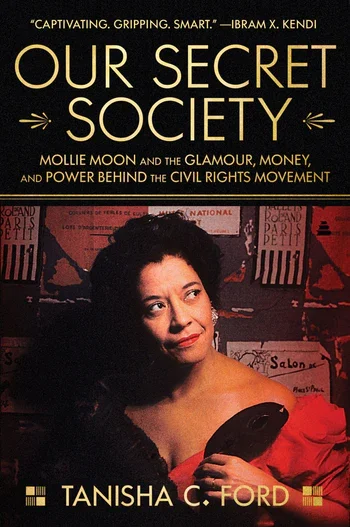
Mollie Moon isn't a name most people know. She founded the National Urban League Guild in 1942 and led it as president until her death in 1990, nearly five decades of building and running the fundraising engine behind one of the most consequential movements in American history. She threw galas. She hosted luncheons. She courted the Rockefellers and other prominent families in Park Avenue drawing rooms and organized fellow Black women in Harlem living rooms, often in the same week. The money she raised funded the Urban League's work at the height of the Civil Rights Movement.
As a philanthropy advisor, I recognized something familiar in Mollie’s position. I also sit between worlds: the donors we work with, the nonprofits they support, and my own evolving beliefs about the role of philanthropy. Mollie navigated far more precarious divides than I do—between Black and white America, grassroots organizers and the country’s most powerful philanthropic circles, and rooms that were not built for a Black woman in her era. She did not shrink to fit those rooms. She entered them fully as herself and turned the complexity of her position into leverage rather than a liability.
That authenticity is what made her so effective. People trusted her because she never pretended to be anyone other than who she was, in any room she walked into. And that's the part of her story I keep returning to: Mollie understood that fundraising is not separate from relationship. It is relationship. She raised money because people trusted her, and trust doesn't come from a pitch, it comes from years of showing up.
Reading this book, I found myself sitting with a definition of philanthropy that too often gets lost. At its root, philanthropy means loving people. By definition, it is private initiative for the public good, aimed at improving the quality of human life. Notice what's absent from that definition: money. Yet the moment we say the word “philanthropy” out loud, money is the first thing that comes to mind. That gap between what philanthropy means and what we've let it become is where I think most of the friction in our field lives. Obligation versus commitment. Benefit versus change. The “should” that money attaches to giving, versus the deeper commitment giving is supposed to represent.
This is also the definition we try to hold onto at JH Philanthropy. We talk often about seeing the human side of philanthropy, and Mollie's story is a masterclass in exactly what that means. It means seeing donors as people with values, histories, and reasons for giving that go far deeper than a check. It means seeing nonprofit leaders and staff as experts in the communities they serve, not vendors executing someone else's vision. And it means seeing communities not as problems to be solved, but as individuals with real value and real strength, people who have always been capable of leading their own change. Mollie never raised money because she loved a cause in the abstract. She raised money because she loved the people in her community, specifically, saw their strength clearly, and built a movement out of that love.
“We talk often about seeing the human side of philanthropy, and Mollie’s story is a masterclass in exactly what that means. It means seeing donors as people with values, histories, and reasons for giving that go far deeper than a check. ”
That same instinct appears throughout Black philanthropy, something this book brought back into focus for me. It has not always looked like the version of philanthropy we are taught to recognize—buildings bearing a donor’s name or seven-figure gifts. It has looked like giving to your church, serving through a sorority, fraternity, or social organization, checking on the family down the street, and making sure children get home safely. This giving is often quiet and relational, but it has always been strategic. Mollie understood both the value of grassroots giving and the importance of creating space and access for African American communities where none otherwise existed.
Decades later, we're still asking the same questions she navigated: What is the role of philanthropy in social change? What role should foundations play in filling government gaps? Where is the line between charity and justice? Those questions didn't start with us, and they won't end with us, and Mollie didn't answer them either. What she did was keep showing up inside them, year after year, relationship by relationship, without waiting for the answers or the credit.
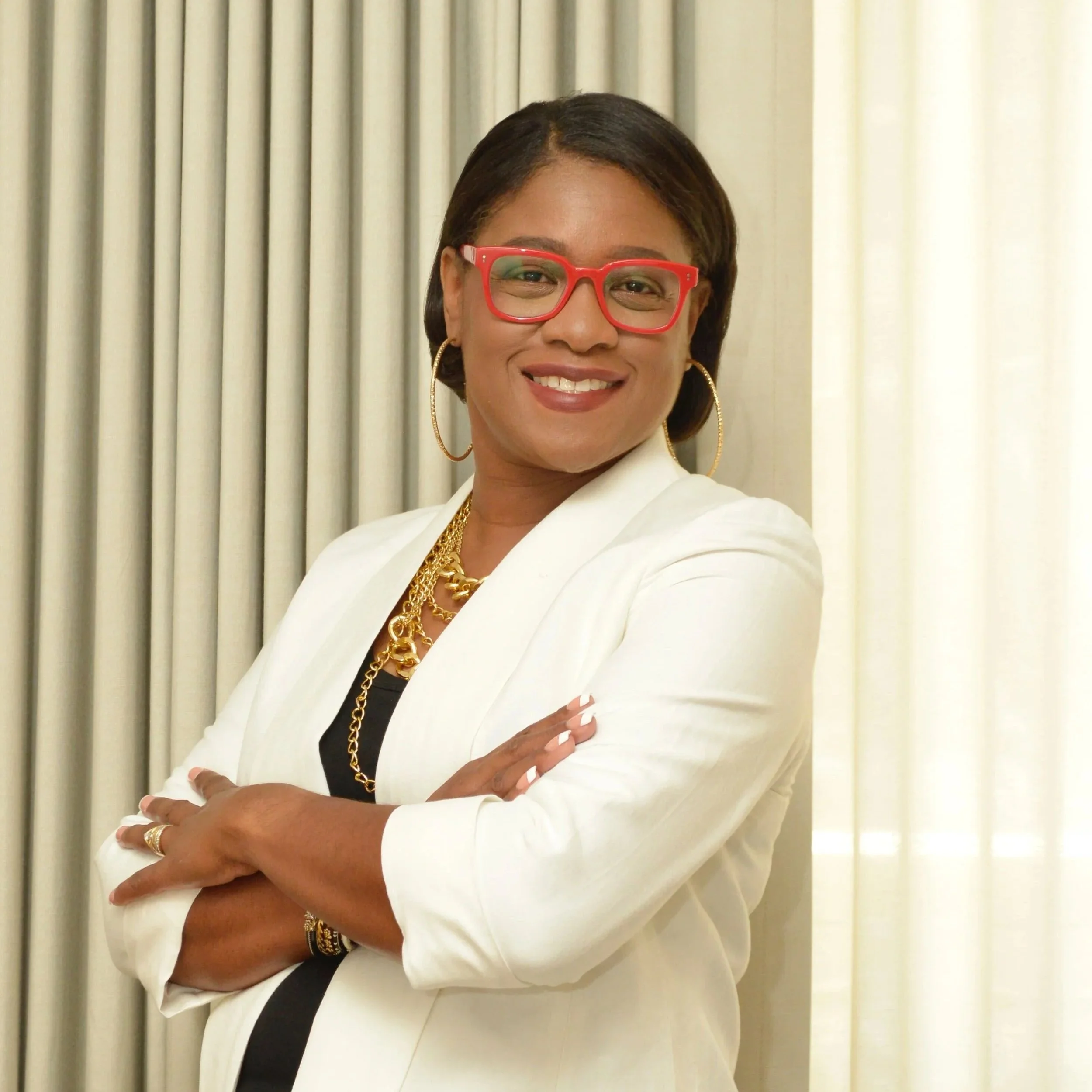
LaTanya Gatewood, Philanthropy Advisor
Being African American in philanthropy has made me think more deeply about my place in this work. At times, the work has felt heavy, yet it has also been among the most rewarding of my career. The weight comes from navigating my role with clients and nonprofits in a complex landscape, but that is also where I find beauty. This journey has pushed me to examine what impact means and whether we, as individuals, can truly make a difference. I have begun shaping my own definition of philanthropy, though I have not fully settled on one. Instead, I have become a student of its complexities while recognizing its deeply human side. Beneath it all, philanthropy is about caring for people that is the real work.
As I continue to find my way in this field, I carry the lessons of Mrs. Mollie Moon’s story with me. She embodied boldness, courage, and connection, and she knew she brought value to every space she entered. I want to live that lesson every day. Thank you, Mrs. Mollie Moon, for being a changemaker.